In the modern world of interior design, a dark room is no longer a design death sentence but a thrilling creative challenge awaiting transformation. Forget the dreary, cave-like spaces of the past; the year 2026 has ushered in an era where strategic brilliance can turn even the most light-starved nook into a radiant sanctuary. Through the masterful application of light manipulation, reflective surfaces, and bold design choices, homeowners and renters alike are banishing shadows forever. This isn't just about adding a lamp—it's about orchestrating a symphony of light, color, and texture that fundamentally alters the perception of space, making rooms feel expansive, airy, and invigoratingly alive.
 :max_bytes(150000):strip_icc():format(webp)/ERINWILLIAMSONDESIGN-14-99588a5b095b48d58b127be91d4a965a.jpeg)
The Power of the Palette: Walls and Ceilings Reimagined
Forget everything you thought you knew about painting dark spaces. While a classic light-colored wall remains a powerhouse tactic, the real magic in 2026 happens when you think bigger—and sometimes, counterintuitively, darker. Leading designers like Emma Kemper of Emma Beryl Interiors champion the use of light, airy hues on walls. These shades act as a canvas for light, reflecting it back into the room. But the color spectrum has expanded dramatically: think soft, luminous grays, ethereal pastels, and warm, creamy off-whites that glow from within. The key? Test relentlessly. Observe swatches throughout the entire day, from the harsh midday sun to the soft evening glow, to witness the color's true personality before committing.
Now, prepare for a paradigm shift: the ceiling. Often dubbed the "fifth wall," this surface holds untold potential. Kemper reveals a designer secret that still surprises many: painting the ceiling a darker color. Yes, darker! This audacious move creates an optical illusion, making the walls appear to stretch upward, thereby expanding the perceived volume of the entire room. It's a bold stroke that adds dramatic depth and sophistication, proving that brightness isn't always about literal lightness.
The Wallpaper Renaissance & Textile Triumphs
The wallpaper revolution of the 2020s has reached its zenith, and for dark rooms, it's a game-changer. Interior designer Laura Park of Laura Park Designs is a fervent advocate. "In a dark room, a vibrant wallpaper can reflect your personality while infusing the space with energy," she declares. Modern wallpapers aren't just patterns; they are light-manipulating tools. Designs with large, bold motifs or lighter backgrounds actively bounce ambient and artificial light around the room, creating a dynamic, luminous ambiance that flat paint simply cannot achieve.
:max_bytes(150000):strip_icc():format(webp)/ERINWILLIAMSONDESIGN-14-99588a5b095b48d58b127be91d4a965a.jpeg)
On the floor, the strategy is one of reflection. A dark floor can absorb precious light, so combat it with a strategic rug. A light-colored rug, whether a classic natural jute or a plush, neutral-textured piece, acts as a landing pad for light, bouncing it upward onto walls and furniture. This simple layer can single-handedly lift the entire room's brightness quotient.
Window treatments, too, have undergone a lightness revolution. Gone are the heavy, light-blocking drapes of yore. Park insists on softer colors—white, cream, light gray—that act as diffusers rather than barriers. But the genius is in the installation: Hang curtain rods several inches above the window frame and extend them well beyond the window's width. This trick not only invites a flood of maximum natural light but also cleverly makes the windows appear grander and more imposing, framing the outside world as a living piece of art.
The Reflective Arsenal: Mirrors, Metals, and Magic
This is where science meets style. Strategically placed mirrors are the undisputed champions of fighting gloom. They are not mere decorations; they are light-redirecting satellites. Placing a large mirror directly opposite a window effectively doubles the amount of natural light entering the room and the view itself. But don't stop there:
-
Accent Mirrors: Clustered in a gallery wall or placed in dark corners.
-
Full-Length Mirrors: Leaned against a wall to add height and reflection.
-
Decorative Mirrors: With interesting frames that become art pieces.
Expand the reflective strategy beyond glass. Incorporate decor with metallic, glossy, or lacquered finishes:
| Decor Item | Light-Boosting Effect |
|---|---|
| Glass or Metallic Coffee Tables | Bounces light from underneath. |
| Crystal or Metallic Vases | Catches and scatters tiny light beams. |
| Lacquered Side Tables | Provides a high-gloss reflective surface. |
| Metallic Picture Frames | Adds subtle sparkle and reflection. |
The Lighting Layer Cake: A Multi-Tiered Approach 💡
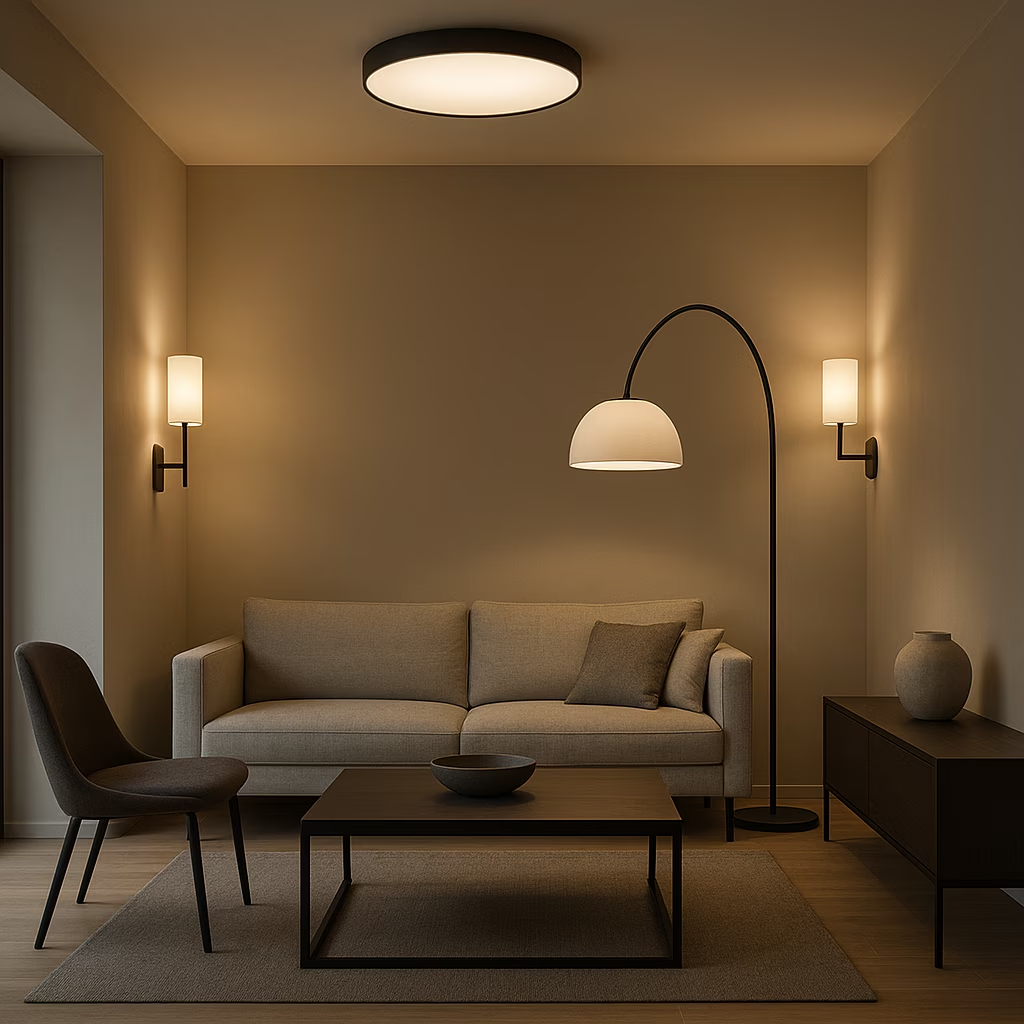
Relying on a single overhead light is the cardinal sin of illuminating a dark room. The 2026 solution is layered lighting, which builds ambiance and eliminates shadows from multiple angles.
-
Ambient Lighting (The Base Layer): This is the general illumination. Use modern, dimmable overhead fixtures or strategically placed floor lamps with shades that direct light upward to wash the ceiling and walls in light.
-
Task Lighting (The Functional Layer): This is where table lamps reign supreme. Place them in dark corners, on consoles, or beside seating areas. Their light is focused and purposeful, punching holes in the darkness where you need it most.
-
Accent Lighting (The Drama Layer): This is the jewelry of lighting. Think:
-
LED strip lights under cabinets or shelves.
-
Small, strategic puck lights in bookcases.
-
A statement sculptural lamp that is art itself.
-
The bulb itself is critical. The old warm-yellow bulbs can cast a gloomy, dated pallor in a dark room. For 2026, the unanimous choice is high-lumen LED bulbs in a cool white or daylight color temperature (5000K-6500K). These bulbs mimic natural sunlight, providing crisp, clean, and energizing illumination that truly makes colors pop and spaces feel awake.
Pro-Tips for Instant Radiance ✨
Beyond the major moves, these quick-hit strategies deliver immediate impact:
-
Embrace Light Furniture: A light-colored sofa, armchair, or bookshelf acts as a large-scale light reflector. No light furniture? Furniture paint is your best friend for an instant upgrade.
-
The Ultimate Free Trick: Clean Your Windows! 🪟 It sounds absurdly simple, but grime and dust on windows can block a staggering amount of light. A thorough inside-and-out cleaning is the most cost-effective brightness boost available.
-
Declutter for Light: Clutter creates visual noise and casts small shadows. A clean, edited space allows light to travel freely and makes the room feel instantly larger and brighter.
Frequently Asked Questions (FAQs)
Q: Can I really brighten a room with NO natural light?
A: Absolutely! It requires a more aggressive layered lighting approach and a heavy reliance on reflective surfaces (mirrors, metallics, light paints), but it is entirely possible to create a luminous, inviting space.
Q: What are the BEST colors for a dark room in 2026?
A: While whites and light grays are timeless, the trend is toward colors with high Light Reflective Value (LRV). Think soft sage greens, pale sky blues, warm buttery yellows, and the full spectrum of delicate pastels. These add personality while still reflecting light beautifully.
Q: Is warm or cool light better for dark rooms?
A: For general illumination, cool white/daylight LEDs are superior as they most closely mimic sunlight. However, incorporate warmer bulbs (2700K-3000K) in table lamps for evening coziness, allowing you to tailor the ambiance with smart bulbs or dimmers.
The journey from dark to dazzling is one of intentional choices. It's about painting with light, curating reflections, and building illumination in thoughtful layers. By embracing these 2026-approved strategies, any dark room can shed its shadowy skin and emerge as a brilliantly bright centerpiece of your home.
Comments