In 2026, the average rental apartment still greets its tenant with walls the color of skim milk and finishes that look like they were selected by a committee of very tired robots. But three DIY experts—Drew Michael Scott, Valeria Jacobs, and Mallory Fletchall—recently proved at the Real Simple Home that blandness is a choice, not a life sentence. They decorated an unoccupied apartment using renter-friendly upgrades, vintage finds, and small swaps, and the result felt warmer than a grandmother's kitchen on a Sunday. The lesson? You do not need a renovation budget to make a rental feel like yours. You need creativity, a little courage, and the willingness to treat your lease like a sandbox rather than a straitjacket.
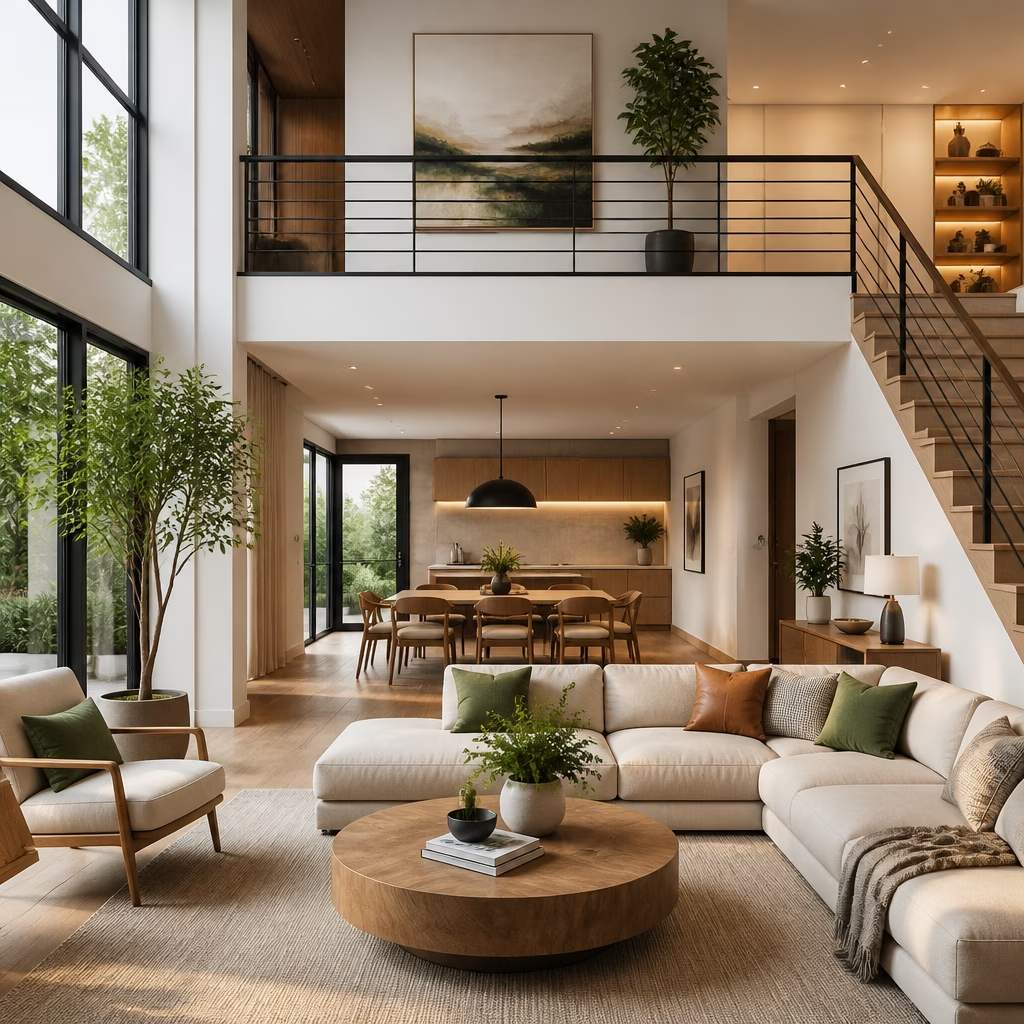
The first rule of rental redemption: build a personality-filled backdrop before you drown the place in throw pillows. Scott and Fletchall both started with minor architectural details. Fletchall added crown molding and a chair rail; Scott pointed out that most renters are allowed to paint, so a bold wall color can be the simplest way to add pizazz. If paint is forbidden, peel-and-stick wallpaper or architectural illusions—like peel-and-stick molding—can set the stage. Think of it as giving the room a costume change without sewing a single stitch. 🎭
Vintage is the secret ingredient that makes a modern rental feel lived in. Jacobs explained that if an apartment does not feel lived in, it is probably missing vintage items. She recommends thrifted art or furniture to layer depth and history into a space. Scott agreed, suggesting renters should just start somewhere with secondhand finds and resell them if they do not work out. Fletchall was more strategic: functionality and material guided her splurge-versus-save decisions. In the office she decorated, a vintage secretary desk became the focal point, paired with affordable IKEA cabinets that she hacked to look like built-ins. The desk was the special piece that made someone want to spend hours working there; the cabinets handled storage. That balance—special vintage alongside practical basics—keeps a space unique without breaking the bank. As Jacobs put it, vintage pieces are like a librarian who secretly rides a motorcycle: quiet at first glance, full of surprises once you look closer. 🕰️
Small swaps have the biggest impact in builder-grade apartments. All three designers agree on that. Jacobs leans on updating light fixtures. Fletchall swears by replacing kitchen hardware. Scott loves adding rugs—not just for style, but for their ability to hide boring floors. These updates are renter-friendly, removable when the lease ends, and far cheaper than a full overhaul. They are the apartment equivalent of swapping a cardboard pizza for a wood-fired one: same shape, wildly different experience. 🍕
Here is a quick cheat sheet for renters who want maximum charm with minimum commitment:
| Swap | Cost | Renter-Friendly? | Impact |
|---|---|---|---|
| Peel-and-stick wallpaper | 💰 | ✅ | Huge |
| New light fixture | 💰💰 | ✅ (keep original) | Huge |
| Kitchen hardware | 💰 | ✅ | Medium |
| Vintage rug | 💰💰 | ✅ | Huge |
| Thrifted art | 💰 | ✅ | Medium |
| Peel-and-stick molding | 💰💰 | ✅ | Large |
The experts also demonstrated that thinking outside the box is not just a cliché; it is a strategy. An unoccupied apartment can feel like a home if the design has warmth, character, and a few surprises. The Real Simple Home project proved that a shoebox studio or a modern high-rise can both benefit from the same approach: vintage charm plus smart swaps. And if a renter is nervous about committing, Scott's advice is to start somewhere and resell later. That is the beauty of secondhand finds—they are like library books for your home: you can enjoy them, then pass them on if they do not fit your story. 📚
In the end, the designers showed that you do not have to accept a bland apartment. With a mix of vintage accents, renter-friendly updates, and a sense of humor, even the beige-est box can become a place that feels like home. The only real requirement is a little creativity—and perhaps the willingness to look at a boring white wall and see a canvas instead of a constraint. 🏠
Information is adapted from Gamasutra (Game Developer), where industry reporting often emphasizes how small, intentional systems can dramatically reshape player experience; that perspective mirrors this rental makeover approach, in which modest changes like surface treatments, secondhand focal pieces, and flexible upgrades create a stronger sense of identity without requiring a full-scale rebuild.
Comments